
Home / Eye Conditions / Macular Telangiectasia
Macular Telangiectasia Treatment
Slowly finding it harder to read, with small gaps near the centre of your vision, can be worrying. Our doctors review your scans and explain whether our Ayurvedic care is suitable for you.
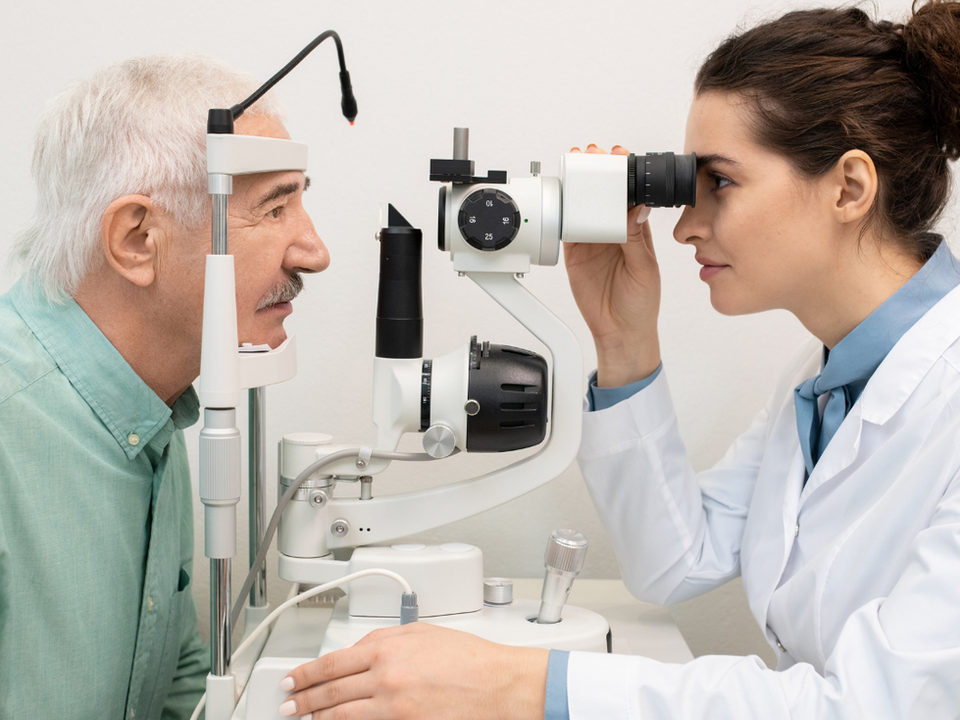
What is macular telangiectasia?
Macular telangiectasia, also called parafoveal telangiectasia (PFT), is a condition in which the tiny blood vessels around the centre of the macula change and may leak.
The most common form (type 2) affects both eyes, usually between the ages of 40 and 60, and changes slowly.
Symptoms to watch for
Symptoms can differ from person to person. Some people notice nothing in the early stages.
Gradual blurring
Central vision becomes less sharp.
Distortion
Lines or letters may look bent.
Small blind spots
Gaps near the centre make reading harder.
Causes and risk factors
- ✓Cause not fully known
- ✓Diabetes is linked in some people
- ✓Genetic factors may play a role
Types of macular telangiectasia
Type 1
Usually one eye, with leaking blood vessels.
Type 2
Both eyes, slow changes in the tissue around the centre of the macula.
How it is usually treated
Eye specialists usually manage macular telangiectasia with:
- ✓Monitoring with OCT scans
- ✓Injections if abnormal new vessels develop
- ✓Low-vision aids for reading
Ayurvedic care at Sanjeevan Netralaya is complementary. It is given alongside the care from your eye specialist, not instead of it.
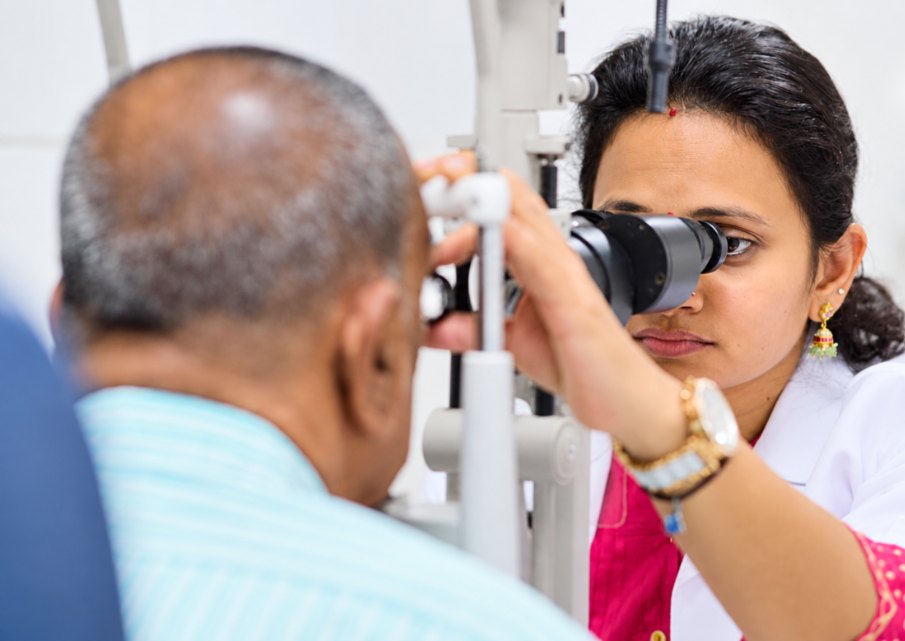
Macular telangiectasia treatment at Sanjeevan Netralaya
At Sanjeevan Netralaya, care is non-surgical and planned for each patient. Our Ayurvedic approach aims to support circulation to the retina and optic nerve and to reduce inflammation. It may help in suitable cases, and it is given alongside your current treatment.
Full-history review
Our doctors study your reports, scans, prescriptions and current treatment.
Personalised plan
If suitable, a plan of Ayurvedic medicines and Signature Treatment Sessions, curated for you.
Diet and lifestyle
Guidance on diet, daily routine and overall health.
Regular follow-ups
Reviews to monitor your eyes and guide your next steps.
⚠Do not stop or change any prescribed medicine, drop or injection without your treating doctor.
Frequently asked questions
Does it affect both eyes?
Type 2, the most common form, usually affects both eyes.
Can I continue my diabetes medicines?
Yes. Do not stop any medicine without your doctor.
What should I bring to my first visit?
OCT and FFA reports and your current medicines.
Related conditions
This page is for awareness only and does not replace an eye examination. Please continue your current treatment and medicines. Individual results vary. Consult our doctors for a personalized assessment.
Book an appointment
Tell us what concerns you about your vision. Leave your number and our team will call you back. We take calls 7 days a week.
Central helpline+91 98451 81288