
AYURVEDIC HERBAL SUPPORTIVE CARE AT SANJEEVAN NETRALAYA
Amblyopia, commonly known as lazy eye, is a vision-development condition in which one or both eyes do not develop normal visual acuity during childhood. It occurs when the brain and eyes do not work together properly, causing the brain to rely more heavily on one eye while the vision in the weaker eye remains underdeveloped.
For parents, recognising the early signs of lazy eye in children is important because timely diagnosis and appropriate treatment can significantly improve visual outcomes. Although amblyopia is most commonly identified during childhood, its effects can continue into adulthood if it is not adequately addressed.
At Sanjeevan Netralaya, the focus is on understanding individual visual conditions and exploring appropriate supportive care while respecting the importance of established ophthalmic treatment.
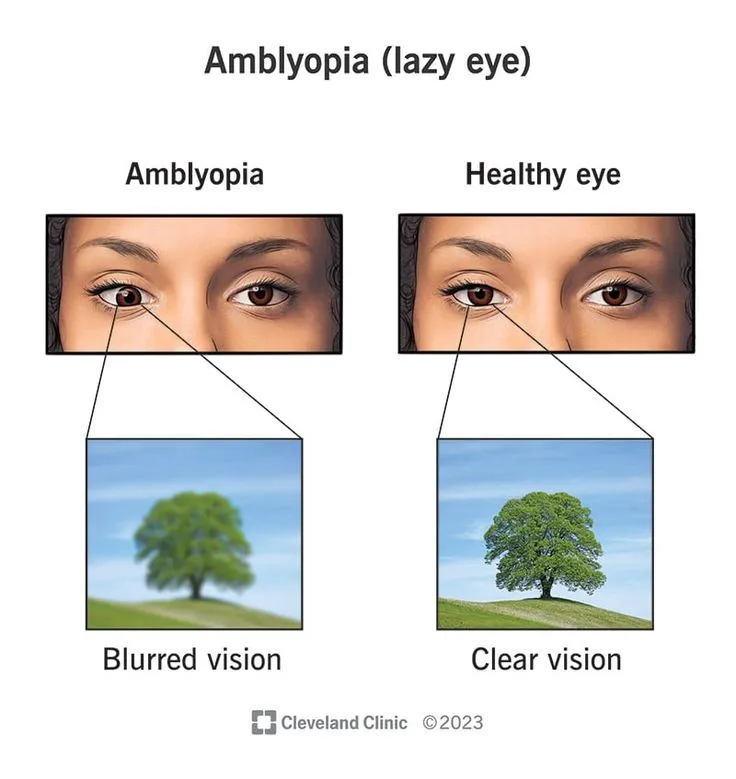
What Is Amblyopia (Lazy Eye)?
Amblyopia is a developmental visual disorder that occurs when the brain does not receive or process clear visual information from one or both eyes during the critical period of visual development.
It commonly develops because of three underlying factors:
- Refractive Amblyopia: Occurs when there is a significant difference in the refractive power of both eyes, such as nearsightedness, farsightedness or astigmatism.
- Strabismic Amblyopia: Develops when the eyes are misaligned, causing the brain to favour one eye and suppress visual input from the other.
- Deprivation Amblyopia: Occurs when something blocks clear vision during early childhood, such as congenital cataracts or drooping eyelids (ptosis).
Unlike retinal degeneration, amblyopia is primarily a brain–eye visual-development disorder. The retina may be structurally healthy even when visual acuity in one eye is reduced.
Common Symptoms and Warning Signs of Lazy Eye
Amblyopia does not always produce noticeable symptoms, particularly in young children. In many cases, parents discover the condition during routine eye examinations.
Some common warning signs include:
- Reduced vision in one eye compared with the other.
- Difficulty recognising objects clearly despite wearing prescribed glasses.
- Poor depth perception or difficulty judging distances.
- Squinting or frequently closing one eye.
- Head tilting while looking at objects.
- Visible eye misalignment or squint.
- Difficulty with activities requiring coordinated vision.
Parents should arrange a comprehensive eye examination if they notice these signs.
Early detection can help prevent long-term visual difficulties.
Why Early Diagnosis and Treatment Matter
Childhood is an important period for visual development. During these years, the brain learns to interpret information received from both eyes and develops the ability to coordinate binocular vision.
When one eye consistently provides blurred or misaligned visual information, the brain may begin favouring the stronger eye. Over time, this can affect visual acuity, depth perception and the ability to use both eyes together.
If left untreated, amblyopia can result in persistent reduced vision in the affected eye.
Early diagnosis is particularly important because treatment generally produces better outcomes during childhood. However, selected older children, teenagers and adults may also benefit from an individualised ophthalmic assessment and appropriate treatment.
How Is Amblyopia Diagnosed?
A comprehensive eye examination is essential to distinguish amblyopia from other conditions that may cause reduced vision.
Depending on the patient's age and symptoms, an ophthalmologist may recommend:
1. Visual Acuity Assessment
Measures how clearly each eye can see independently and helps identify differences in visual performance.
2. Refraction Test
Checks for refractive errors such as myopia, hyperopia and astigmatism that may contribute to amblyopia.
3. Eye Alignment Assessment
Evaluates whether both eyes are properly aligned and working together.
4. Binocular Vision and Depth Perception Testing
Assesses how effectively the eyes coordinate and perceive depth.
5. Comprehensive Eye Examination
Helps identify conditions such as cataracts, ptosis or other structural abnormalities that may interfere with visual development.
In adults with unexplained or newly developing vision loss, additional retinal or optic nerve investigations may be necessary to rule out other eye disorders.
Conventional Treatment Options for Amblyopia
The primary objective of conventional amblyopia treatment is to encourage the brain to use the weaker eye and improve visual development.
Treatment depends on the patient's age, underlying cause and severity of the condition.
Common approaches include:
Corrective Glasses
Prescription glasses or contact lenses help correct refractive errors and provide clearer visual information to the brain.
Eye Patching Therapy
Patching involves temporarily covering the stronger eye to encourage the brain to use the weaker eye. The duration and frequency must be prescribed by an ophthalmologist.
Atropine Eye Drops
In selected children, atropine drops may be prescribed in the stronger eye to temporarily blur its near vision, encouraging greater use of the weaker eye.
Treatment of Underlying Conditions
Conditions such as congenital cataracts, drooping eyelids or significant eye misalignment may require specific medical or surgical management.
Treatment is generally more effective when started early. Selected older patients may still experience improvement with appropriate clinical management.
Ayurvedic Supportive Care at Sanjeevan Netralaya
At Sanjeevan Netralaya, supportive eye care is approached through individual assessment, understanding the underlying condition and considering the patient's overall health.
Amblyopia requires particular attention because it involves visual development and communication between the eyes and brain rather than primary retinal degeneration.
The supportive-care approach may consider the following areas:
1. Individualised Visual Assessment
Understanding the patient's age, visual acuity, previous treatment history and underlying eye condition helps guide appropriate supportive-care decisions.
2. Supporting Overall Eye Health
General wellbeing, balanced nutrition, adequate sleep and management of relevant systemic health factors may be considered as part of a broader health-support approach.
3. Functional Vision Assessment
Visual function involves more than an eye-chart reading. Contrast sensitivity, object recognition, depth perception and everyday visual activities may also be considered where clinically appropriate.
4. Complementary Care Without Replacing Standard Treatment
Any Ayurvedic supportive approach should remain complementary to prescribed glasses, patching, atropine therapy or surgery when indicated. Herbal interventions should not be represented as proven treatments for reversing amblyopia.
5. Continued Ophthalmic Monitoring
Regular examinations help monitor visual development, assess treatment response and identify any additional retinal or optic nerve conditions, particularly in adults with unexplained reduced vision.
What Results Should Patients and Families Expect?
The expected outcomes of amblyopia management depend on the patient's age, severity, underlying cause and response to treatment.
With appropriate conventional management, some children may experience meaningful improvements in:
- Visual acuity in the weaker eye.
- Depth perception and visual coordination.
- Ability to recognise objects and perform everyday visual activities.
- Functional use of both eyes.
In adults with longstanding amblyopia, treatment expectations should be realistic and based on individual assessment.
Supportive care should not be presented as a way to restore permanently lost visual development or damaged eye structures. Every patient's response is different.
Important Safety Considerations
Amblyopia requires proper ophthalmic diagnosis and monitoring.
- Never begin excessive eye patching without medical supervision, as inappropriate patching can affect the stronger eye.
- Do not discontinue prescribed glasses, atropine drops or other treatment without consulting the treating ophthalmologist.
- Avoid self-medicating with unverified herbal eye preparations or applying substances directly into the eyes.
- Seek prompt medical evaluation for sudden vision loss, new double vision, eye pain or rapidly changing vision.
Early assessment and appropriate treatment are essential for protecting long-term visual health.
Why Choose Sanjeevan Netralaya?
Sanjeevan Netralaya brings nearly 30 years of experience in caring for patients with retinal and optic-nerve-related visual disorders.
Our approach emphasises:
- Individualised assessment based on the patient's diagnosis and visual condition.
- A retina- and optic-nerve-focused perspective when evaluating unexplained vision loss.
- Consideration of overall health and relevant systemic factors.
- Supportive care alongside appropriate conventional ophthalmic treatment.
- Realistic treatment goals based on the patient's clinical condition and remaining visual function.
Frequently Asked Questions (FAQs)
1. What is amblyopia or lazy eye?
Amblyopia, commonly called lazy eye, is a developmental vision disorder in which one or both eyes do not develop normal visual acuity because the brain does not properly process visual information from the affected eye.
2. What causes lazy eye in children?
Lazy eye can develop due to unequal refractive errors, squint or strabismus, and visual obstruction caused by conditions such as congenital cataracts or drooping eyelids.
3. Can amblyopia be treated in adults?
Although treatment is generally more effective during childhood, selected older children, teenagers and adults may benefit from appropriate ophthalmic treatment. Results vary depending on the underlying condition and individual visual development.
4. Can Ayurvedic treatment cure lazy eye?
There is currently insufficient reliable clinical evidence that Ayurvedic herbs can cure amblyopia or reverse its underlying visual-development changes. Ayurvedic supportive care should not replace established ophthalmic treatments such as corrective glasses, patching or atropine when prescribed.
5. Does lazy eye always cause visible eye misalignment?
No. Many people with amblyopia have eyes that appear normally aligned. Amblyopia can occur even without visible squint, making routine childhood vision screening important.
6. Is eye patching necessary for every amblyopia patient?
Not necessarily. Some children improve with corrective glasses alone, while others may require patching or atropine drops. Treatment should always be determined by an ophthalmologist.
7. When should a child undergo an eye examination?
Children should receive age-appropriate vision screening and a comprehensive eye examination when indicated. Parents should not wait for visible symptoms if there are concerns about their child's visual development.
Conclusion
Amblyopia or lazy eye is a developmental vision condition that deserves timely attention, especially during childhood. Early diagnosis, appropriate optical correction and clinician-guided treatment can make a meaningful difference in visual development.
At Sanjeevan Netralaya, we emphasise individualised assessment, responsible supportive care and continued ophthalmic monitoring to help patients make informed decisions about their visual health.
SANJEEVAN NETRALAYA | Retina & Optic Nerve Care
Supporting informed decisions for better visual health.
Individual results vary. Consult our doctors for a personalized assessment.