
What Is Cone Dystrophy?
Vision plays an important role in everyday activities, from reading and recognising faces to identifying colours and navigating familiar surroundings. However, certain inherited retinal conditions can gradually affect these visual abilities. Cone Dystrophy is one such group of retinal disorders that primarily affects the cone photoreceptors responsible for central vision, colour perception and the ability to see clearly in bright light.
Unlike conditions that initially affect rod photoreceptors, Cone Dystrophy predominantly impacts cone function. Rod function may remain relatively preserved during the early stages, although broader retinal involvement can develop in some cases.
At Sanjeevan Netralaya, the approach to Cone Dystrophy supportive care focuses on understanding the condition, assessing the remaining functional vision and identifying appropriate ways to support everyday visual performance.
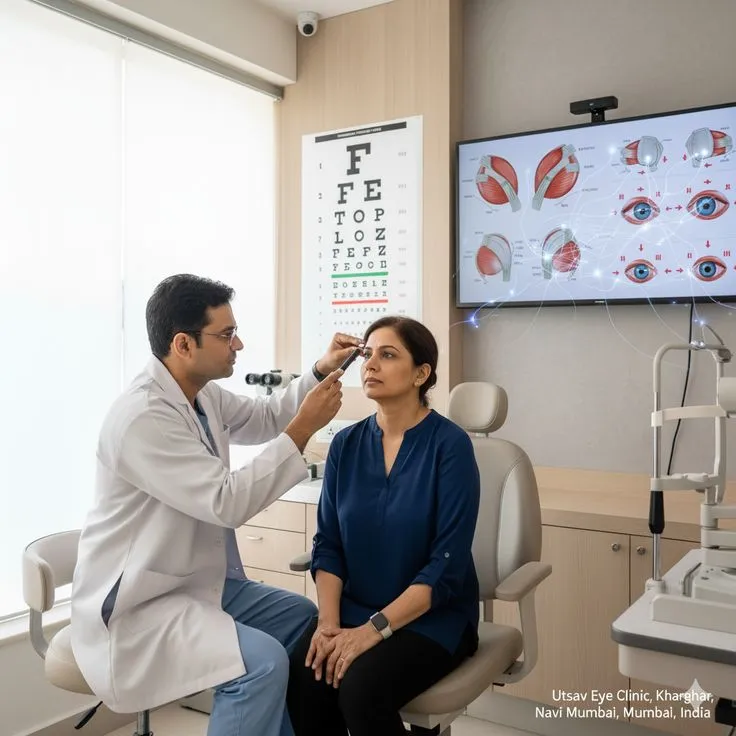
Understanding the Causes and Effects of Cone Dystrophy
The retina contains specialised photoreceptor cells known as rods and cones. While rods are primarily responsible for vision in dim lighting, cones help us distinguish colours, recognise fine details and see clearly in daylight.
In Cone Dystrophy, cone photoreceptors gradually lose their normal function. The extent and progression of the condition can vary depending on the underlying genetic factors and the type of dystrophy.
The condition may affect:
- Central visual acuity
- Colour discrimination
- Sensitivity to bright light
- Contrast perception
- Detailed visual activities such as reading and recognising faces
As the condition progresses, other retinal areas may also become involved, potentially affecting a wider range of visual functions.
Common Symptoms and Warning Signs of Cone Dystrophy
Recognising the symptoms of Cone Dystrophy can help individuals seek timely ophthalmic evaluation and understand changes in their vision.
Common symptoms include:
1. Central Vision Loss
Difficulty seeing fine details, reading small text or recognising faces due to reduced central visual function.
2. Colour Vision Difficulty
Changes in colour perception can make it difficult to distinguish between certain colours.
3. Photophobia
Increased sensitivity to bright light, sunlight or artificial lighting, which may cause discomfort during everyday activities.
4. Reduced Contrast Sensitivity
Difficulty identifying objects against backgrounds, particularly when there is little difference between their colours or brightness.
5. Broader Retinal Involvement
In some individuals, the condition may gradually extend beyond cone function and affect other aspects of retinal vision.
The severity of symptoms and the rate of progression vary from person to person. A detailed retinal assessment is important to understand the nature and extent of the condition.
Why Early Diagnosis and Individualised Care Matter
Cone Dystrophy can affect visual function differently in each individual. The degree of visual difficulty depends on the extent of cone dysfunction, macular involvement, the presence of other retinal changes and the amount of remaining functional tissue.
Therefore, understanding the specific condition is more important than relying on the diagnosis alone.
A detailed assessment helps determine:
- The extent of cone photoreceptor involvement.
- The condition of the macula and surrounding retinal structures.
- The level of remaining central and peripheral vision.
- Whether additional retinal or optic nerve conditions are present.
- The appropriate supportive care and monitoring requirements.
An individualised approach helps establish realistic care goals based on the patient's present visual condition.
Conventional Evaluation and Management of Cone Dystrophy
Accurate diagnosis plays an important role in understanding Cone Dystrophy and differentiating it from other inherited or acquired retinal disorders.
An ophthalmologist may recommend the following investigations:
- Optical Coherence Tomography (OCT): Evaluates retinal layers and identifies structural changes affecting the macula and photoreceptors.
- Fundus Autofluorescence (FAF): Helps assess changes in the retinal pigment epithelium and patterns of retinal degeneration.
- Electroretinography (ERG): Evaluates retinal electrical responses and helps identify cone and rod dysfunction.
- Visual Field Testing: Assesses the extent of functional vision.
- Colour Vision Testing: Identifies difficulties in colour discrimination.
- Genetic Evaluation: Helps identify inherited changes associated with retinal dystrophies.
There is currently no established treatment that reverses the underlying photoreceptor damage in most forms of Cone Dystrophy. Management generally focuses on visual rehabilitation, low-vision aids, glare control, appropriate monitoring and genetic counselling where indicated.
Ayurvedic Supportive Care for Cone Dystrophy at Sanjeevan Netralaya
At Sanjeevan Netralaya, supportive care for Cone Dystrophy focuses on understanding the patient's existing retinal condition and supporting the visual function that remains.
The approach considers individual diagnosis, disease stage, retinal structure and practical visual requirements. The objective is to support functional vision and overall wellbeing without making claims of photoreceptor regeneration or reversal of permanent retinal damage.
Our Supportive Care Goals
- Support Remaining Visual Function: Assess and support remaining viable retinal and macular function where clinically appropriate.
- Focus on Functional Vision: Consider contrast sensitivity, object recognition, reading ability and everyday visual performance rather than relying only on visual acuity measurements.
- Consider Overall Health: Evaluate relevant systemic factors such as diabetes, blood pressure, vascular health, nutrition and sleep when clinically appropriate.
- Encourage Regular Monitoring: Help patients understand changes in vision and the importance of continued ophthalmic evaluation.
- Set Realistic Expectations: Develop individualised supportive care goals according to the condition, its stage and the amount of residual vision.
Ayurvedic supportive care should complement appropriate ophthalmic evaluation and management, not replace necessary conventional treatment or low-vision rehabilitation.
What Results Can Be Expected from Cone Dystrophy Supportive Care?
The outcomes of supportive care depend on the underlying diagnosis, disease stage and the amount of remaining functional retinal tissue.
In individuals with residual vision, meaningful functional improvements may involve:
- Better contrast perception.
- Clearer recognition of familiar objects.
- Improved use of remaining central or peripheral vision.
- Easier reading with appropriate visual aids.
- Better face recognition.
- Improved mobility and confidence in everyday activities.
Individual responses vary, and supportive care cannot be expected to restore photoreceptors that have already been permanently damaged.
The focus remains on realistic visual goals, functional support and maintaining appropriate eye-care follow-up.
Important Safety Considerations
Although Cone Dystrophy is commonly associated with inherited retinal changes, sudden or significantly unequal vision loss between the two eyes should not automatically be attributed to the condition.
Rapid or asymmetric changes in vision require prompt ophthalmic evaluation to identify possible acquired retinal or optic nerve conditions.
Patients should continue regular retinal assessments and seek medical attention if they experience sudden changes in vision, new visual disturbances or other concerning symptoms.
Why Choose Sanjeevan Netralaya for Cone Dystrophy Supportive Care in Hyderabad?
Managing inherited retinal conditions requires an understanding of retinal structure, visual function and individual patient needs.
At Sanjeevan Netralaya, the supportive-care approach is guided by:
- Nearly 30 years of experience with retinal and optic nerve-related visual disorders.
- A retina- and optic-nerve-focused perspective on supportive care.
- Individualised assessment based on diagnosis, disease stage, imaging and remaining functional vision.
- Consideration of overall health and relevant systemic factors.
- A balanced approach that respects the role of conventional ophthalmic evaluation and treatment.
- Clear communication about realistic outcomes and the limitations of supportive care.
The focus is on helping patients understand their condition and explore appropriate supportive options while continuing necessary ophthalmic care.
Final Thoughts
Cone Dystrophy is a retinal condition that primarily affects cone photoreceptors, leading to difficulties with central vision, colour perception and light sensitivity. Although its progression and severity vary, early diagnosis, regular monitoring and appropriate visual rehabilitation play an important role in managing its impact on everyday life.
A personalised approach to Cone Dystrophy supportive care considers the patient's retinal condition, remaining visual function and overall health.
At Sanjeevan Netralaya, Hyderabad, the focus is on individualised supportive care, realistic visual goals and a comprehensive understanding of retinal and optic nerve-related conditions.
Looking for Cone Dystrophy Supportive Care in Hyderabad?
Understanding your retinal condition is the first step towards making informed eye-care decisions. Connect with Sanjeevan Netralaya for an individualised assessment and guidance on appropriate supportive care options.
Sanjeevan Netralaya – Retina & Optic Nerve Care
Individual results vary. Consult our doctors for a personalized assessment.