What Is Ischemic Optic Neuropathy?
Ischemic optic neuropathy (ION) is a condition in which reduced blood supply damages the optic nerve, the structure responsible for carrying visual information from the eye to the brain. The resulting damage can cause sudden vision loss, visual-field defects and changes in colour or contrast perception.
Ischemic optic neuropathy is broadly classified into two main types:
1. Non-Arteritic Anterior Ischemic Optic Neuropathy (NAION)
NAION is the more common form of ischemic optic neuropathy. It occurs when blood flow to the front portion of the optic nerve is reduced without an underlying arteritic inflammation.
It typically causes sudden, painless vision loss in one eye, often noticed on waking. Some patients develop an altitudinal visual-field defect, in which the upper or lower portion of the visual field is affected.
2. Arteritic Anterior Ischemic Optic Neuropathy (AAION)
AAION is commonly associated with giant cell arteritis (GCA), an inflammatory condition affecting blood vessels. It can cause severe and sudden vision loss and may put the other eye at risk if treatment is delayed.
AAION is a medical emergency. Suspected giant cell arteritis requires immediate medical assessment and urgent treatment, even when vision loss has not yet occurred in both eyes.
At Sanjeevan Netralaya, Hyderabad, the supportive-care approach focuses on understanding the extent of optic nerve involvement, assessing remaining functional vision and setting realistic goals alongside appropriate medical management.
Common Symptoms and Warning Signs of Ischemic Optic Neuropathy
Symptoms depend on the type and severity of optic nerve damage. They often develop suddenly and may include:
- Sudden painless vision loss: A rapid reduction in eyesight, usually affecting one eye.
- Altitudinal visual-field defect: Loss of vision in the upper or lower half of the visual field.
- Reduced colour perception: Colours may appear less bright or less distinct.
- Reduced contrast sensitivity: Difficulty distinguishing objects from their backgrounds.
- Optic disc swelling: Swelling of the optic nerve head may be visible during the acute stage.
- Optic atrophy: The optic nerve may become pale over time as nerve fibres are damaged.
Some patients may also experience difficulty reading, recognising faces or navigating familiar surroundings.
Important: Sudden painless vision loss requires prompt ophthalmic evaluation. In older adults, new headache, scalp tenderness or jaw pain while chewing may indicate giant cell arteritis and requires emergency assessment.
What Causes Ischemic Optic Neuropathy?
Ischemic optic neuropathy develops when the blood supply to the optic nerve becomes insufficient. The underlying causes and associated risk factors differ between NAION and AAION.
Causes and Risk Factors Associated with NAION
NAION is associated with reduced circulation to the optic nerve. Factors that may increase the risk include:
- High blood pressure: Vascular changes may affect circulation to the optic nerve.
- Diabetes: Can contribute to blood vessel damage.
- High cholesterol: May increase the risk of vascular disease.
- Sleep apnoea: Obstructive sleep apnoea is an important associated risk factor.
- Smoking: Can contribute to vascular damage.
- Anatomically crowded optic disc: Certain optic nerve structures may increase susceptibility to NAION.
NAION is often associated with multiple risk factors rather than one identifiable cause.
Causes of AAION
AAION is commonly linked to giant cell arteritis, an inflammatory disease affecting medium and large arteries.
The inflammation can reduce or block blood supply to the optic nerve. It may also affect other blood vessels, creating a risk of further complications.
Symptoms associated with giant cell arteritis may include:
- New or persistent headache.
- Scalp tenderness.
- Jaw pain or fatigue while chewing.
- Fever, fatigue or unexplained weight loss.
- Shoulder or hip stiffness.
- Sudden visual disturbances.
Not everyone experiences all these symptoms. Suspected giant cell arteritis requires urgent investigation and treatment.
Why Is Ischemic Optic Neuropathy a Serious Condition?
The optic nerve contains specialised nerve fibres that carry visual signals to the brain. When these fibres do not receive adequate blood supply, they can become damaged.
The extent of visual impairment depends on the severity of reduced circulation, the area of the optic nerve affected and the amount of surviving nerve tissue.
Possible effects include:
- Visual-field loss: Missing areas in central or peripheral vision.
- Reduced colour vision: Difficulty distinguishing colours accurately.
- Poor contrast sensitivity: Difficulty identifying objects in low-contrast environments.
- Optic nerve damage: Loss of nerve fibres may lead to optic atrophy.
- Permanent vision impairment: Established optic nerve damage may result in lasting visual loss.
In AAION, the risk extends beyond the affected eye. Without urgent treatment, the other eye may also be affected.
How Is Ischemic Optic Neuropathy Diagnosed?
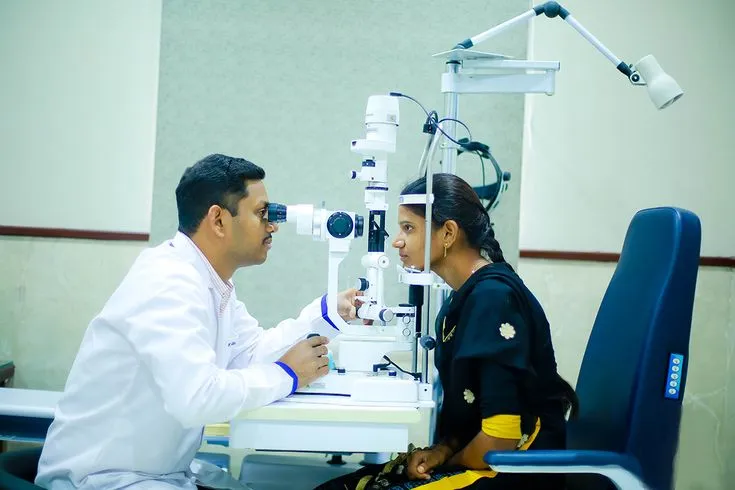
Diagnosis involves a detailed eye examination and investigations to identify the type of optic neuropathy and its underlying cause.
A specialist may recommend:
- Visual acuity testing: Measures the clarity of vision in each eye.
- Visual-field testing: Identifies areas of missing or reduced vision.
- Colour vision assessment: Evaluates changes in colour perception.
- Pupil examination: Helps identify optic nerve dysfunction.
- Dilated fundus examination: Allows the specialist to assess optic disc swelling, haemorrhages or optic atrophy.
- Optical Coherence Tomography (OCT): Examines the retinal nerve fibre layer and ganglion cell complex to assess structural changes.
- Blood investigations: ESR, CRP and platelet count may be urgently requested when giant cell arteritis is suspected.
- Additional investigations: MRI or other tests may be recommended when the clinical findings suggest alternative causes of optic nerve damage.
The diagnosis is based on the patient's symptoms, examination findings and investigation results. It is important to distinguish NAION from AAION because their urgency and management are different.
Conventional Treatment and Management of Ischemic Optic Neuropathy
Treatment depends on the type of ischemic optic neuropathy. The priority is to identify the underlying cause, protect the other eye when necessary and manage associated health risks.
1. Management of NAION
There is currently no universally established treatment that reliably restores all vision lost due to NAION.
Management generally focuses on:
- Assessing and controlling vascular risk factors.
- Evaluating diabetes, blood pressure and cholesterol.
- Screening for obstructive sleep apnoea when indicated.
- Reviewing relevant medications and overall medical history with the treating clinician.
- Monitoring visual function and optic nerve changes.
Patients should not independently stop or change prescribed medicines. Any medication review should be undertaken with the treating doctor.
2. Emergency Treatment for AAION
Suspected AAION associated with giant cell arteritis requires immediate medical attention.
High-dose corticosteroid treatment is generally started urgently when GCA is strongly suspected, often before all investigation results are available, to reduce the risk of further vision loss.
The medical team may also recommend:
- ESR, CRP and platelet testing.
- Temporal artery ultrasound or biopsy.
- Assessment for other systemic complications.
- Specialist follow-up and longer-term treatment to control inflammation.
Treatment should never be delayed while waiting for confirmation if clinical suspicion is high.
3. Visual Rehabilitation
When vision loss persists, visual rehabilitation may help patients adapt to everyday activities.
Support may include magnifying devices, reading aids, improved lighting, contrast-enhancing strategies and mobility guidance.
Ayurvedic Supportive Care at Sanjeevan Netralaya
Sanjeevan Netralaya offers an individualised Ayurvedic supportive-care approach for selected patients with retinal and optic-nerve-related visual disorders.
For ischemic optic neuropathy, supportive care is considered only after appropriate medical evaluation and stabilisation.
It focuses on the remaining optic nerve-related function and practical visual needs rather than attempting to restore blood flow during an acute event.
Supportive-care goals may include:
- Supporting remaining viable retinal, macular or optic-nerve-related visual function where appropriate.
- Addressing practical visual difficulties involving contrast, clarity and object recognition.
- Considering relevant systemic factors such as diabetes, blood pressure, vascular health, sleep, nutrition and overall wellbeing when clinically appropriate.
- Encouraging appropriate ophthalmic monitoring and follow-up.
- Helping patients understand warning symptoms and continue prescribed medical treatment.
- Setting realistic goals based on the extent of optic nerve damage and remaining functional vision.
Important: Ayurvedic supportive care is not an established treatment for restoring blood supply to the optic nerve, reversing NAION or AAION, or regenerating permanently damaged optic nerve fibres. It must not replace or delay emergency corticosteroid treatment for suspected giant cell arteritis or other specialist-directed medical care.
Herbal products should be discussed with the treating clinician because they may cause side effects or interact with prescribed medicines.
What Results Can Patients Expect?
The potential outcomes depend on the type of ischemic optic neuropathy, severity of the initial event, extent of optic nerve damage and amount of functional vision remaining.
For patients with established damage, supportive-care goals may focus on making better use of residual vision and improving everyday visual function.
Depending on individual needs, practical goals may include:
- Better use of remaining central or peripheral vision.
- Improved contrast awareness and object recognition.
- Easier reading with appropriate visual aids.
- Better recognition of faces and familiar objects.
- Improved mobility and confidence during daily activities.
Individual responses vary, and specific improvements cannot be guaranteed. Supportive care should not be represented as restoring optic nerve fibres that have been permanently damaged.
Important Safety Note: When to Seek Immediate Medical Attention
AAION associated with giant cell arteritis is a medical emergency. Delayed treatment can lead to severe and potentially irreversible vision loss, including damage to the other eye.
Seek immediate medical attention if an older adult experiences:
- New or persistent headache.
- Scalp tenderness, especially while combing hair.
- Jaw pain or fatigue while chewing.
- Sudden blurred vision or vision loss.
- Unexplained fever, fatigue or weight loss alongside visual symptoms.
- New visual disturbances with shoulder or hip stiffness.
Do not wait for a routine appointment or attempt home remedies. Suspected giant cell arteritis requires urgent medical assessment and treatment.
Why Choose Sanjeevan Netralaya?
Sanjeevan Netralaya provides a retina- and optic-nerve-focused supportive-care perspective, with an emphasis on individual assessment and realistic goals.
The centre highlights nearly 30 years of experience with retinal and optic-nerve-related
visual disorders. Its approach includes:
- Individualised assessment based on diagnosis, disease stage and imaging.
- A focus on remaining functional vision.
- Consideration of relevant systemic health factors.
- A whole-body perspective while respecting conventional ophthalmic and medical treatment.
- A clear distinction between supportive care and emergency treatment.
Frequently Asked Questions
What is ischemic optic neuropathy?
Ischemic optic neuropathy is a condition in which reduced blood supply damages the optic nerve, potentially causing sudden vision loss and visual-field defects.
What is the difference between NAION and AAION?
NAION is the non-arteritic form, commonly associated with vascular risk factors. AAION is the arteritic form, often linked to giant cell arteritis. AAION is a medical emergency because the other eye may be at risk.
Can ischemic optic neuropathy cause permanent vision loss?
Yes. Damage to optic nerve fibres can result in permanent visual impairment. The extent of vision loss varies depending on the severity and location of the damage.
Is NAION an emergency?
Sudden vision loss due to suspected NAION requires prompt ophthalmic assessment. It is also important to exclude AAION, particularly in older adults or patients with symptoms suggestive of giant cell arteritis.
Can AAION affect the other eye?
Yes. Giant cell arteritis can affect blood vessels supplying both eyes. Urgent treatment is essential to reduce the risk of severe vision loss in the fellow eye.
What are the warning signs of giant cell arteritis?
Common warning signs include a new headache, scalp tenderness, jaw pain while chewing, unexplained fatigue, fever and sudden visual disturbances. These symptoms require urgent medical assessment.
Can Ayurveda reverse optic nerve damage caused by ischemia?
There is no established evidence that Ayurvedic treatment can restore blood supply to the optic nerve or regenerate permanently damaged nerve fibres. Supportive care may be considered after medical stabilisation, alongside appropriate specialist follow-up.
How is ischemic optic neuropathy monitored?
Monitoring may include visual acuity, visual-field testing, colour vision assessment, optic nerve examination and OCT imaging. Follow-up frequency depends on the diagnosis and clinical condition.
Consult Sanjeevan Netralaya
If you have been diagnosed with ischemic optic neuropathy or are experiencing sudden changes in vision, a detailed ophthalmic assessment can help identify the extent of optic nerve involvement and guide appropriate care.
Contact Sanjeevan Netralaya, Hyderabad, to enquire about individualised assessment and supportive-care options after appropriate medical evaluation and stabilisation.
Individual results vary. Consult our doctors for a personalized assessment.