Home / Eye Conditions / Cone–Rod Dystrophy
Cone–Rod & Rod–Cone Dystrophy Treatment
Glare, trouble with colours or night vision, and vision that glasses cannot correct can be hard to live with. Our doctors take time to understand your history and explain whether our Ayurvedic care is suitable for you.
What is a cone–rod dystrophy?
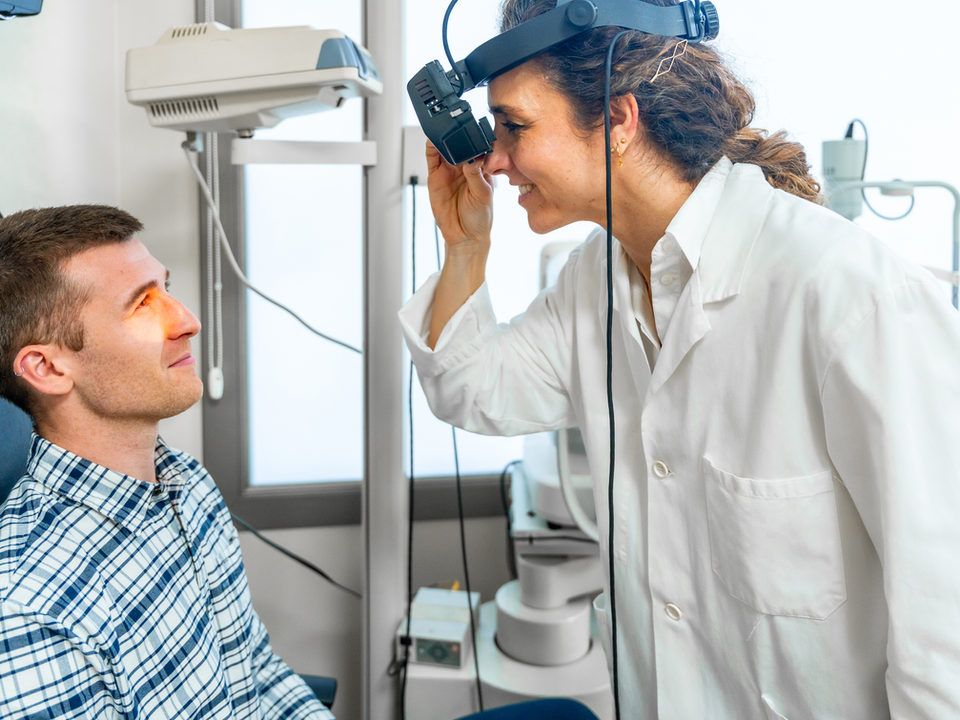
Cone–rod dystrophies are inherited conditions in which the cone cells (for detail and colour) are affected first, followed by the rod cells (for night and side vision).
In rod–cone dystrophies, such as retinitis pigmentosa, the rods are affected first. Cone dystrophy and rod dystrophy affect mainly one type of cell.
Symptoms to watch for
Symptoms can differ from person to person. Some people notice nothing in the early stages.
Reduced central vision
Detail becomes harder to see.
Light sensitivity
Bright light is uncomfortable.
Colour problems
Colours look faded or confused.
Night vision difficulty
Later, seeing in dim light becomes hard.
Side vision loss
Later stages can narrow side vision.
Causes and risk factors
- ✓Changes in genes that affect the retina
- ✓Often runs in families
- ✓Sometimes no known family history
Types of retinal dystrophy
Cone–rod dystrophy
Central and colour vision are affected first, then night and side vision.
Rod–cone dystrophy
Night and side vision are affected first, as in retinitis pigmentosa.
Cone or rod dystrophy
Mainly cones or mainly rods are affected.
How it is usually treated
There is currently no standard treatment that stops these conditions for everyone. Eye specialists usually advise:
- ✓Regular monitoring
- ✓Tinted glasses for glare
- ✓Low-vision aids
- ✓Genetic counselling for the family
Ayurvedic care at Sanjeevan Netralaya is complementary. It is given alongside the care from your eye specialist, not instead of it.
Cone–rod dystrophy treatment at Sanjeevan Netralaya
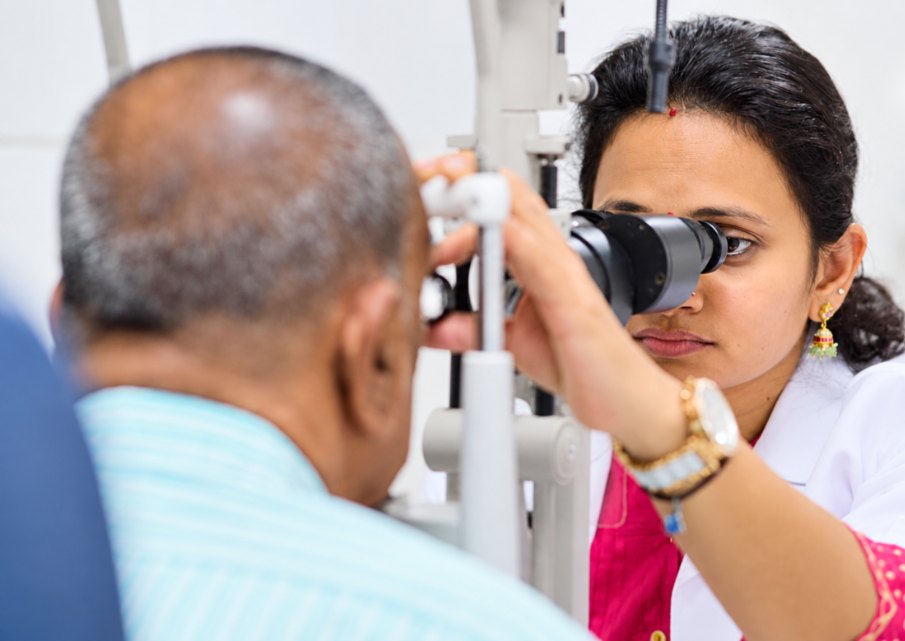
At Sanjeevan Netralaya, care is non-surgical and planned for each patient. Our Ayurvedic approach aims to support circulation to the retina and optic nerve and to reduce inflammation. It may help in suitable cases, and it is given alongside your current treatment.
Full-history review
Our doctors study your reports, scans, prescriptions and current treatment.
Personalised plan
If suitable, a plan of Ayurvedic medicines and Signature Treatment Sessions, curated for you.
Diet and lifestyle
Guidance on diet, daily routine and overall health.
Regular follow-ups
Reviews to monitor your eyes and guide your next steps.
⚠Do not stop or change any prescribed medicine, drop or injection without your treating doctor.
Frequently asked questions
How is it different from RP?
In RP (a rod–cone dystrophy), night and side vision are affected first. In cone–rod dystrophy, central and colour vision are affected first.
Is it hereditary?
Usually, yes. Family members may benefit from an eye check.
What should I bring to my first visit?
ERG reports, OCT scans, visual field tests and genetic reports if available.
Related conditions
This page is for awareness only and does not replace an eye examination. Please continue your current treatment and medicines. Individual results vary. Consult our doctors for a personalized assessment.
Book an appointment
Tell us what concerns you about your vision. Leave your number and our team will call you back. We take calls 7 days a week.
Central helpline+91 98451 81288