Home / Eye Conditions / Stargardt Disease
Stargardt Disease Treatment
When a child or young adult starts struggling to read the board or recognise faces, families worry, especially when told little can be done. Our doctors review the reports and explain whether our Ayurvedic care is suitable.
What is Stargardt disease?
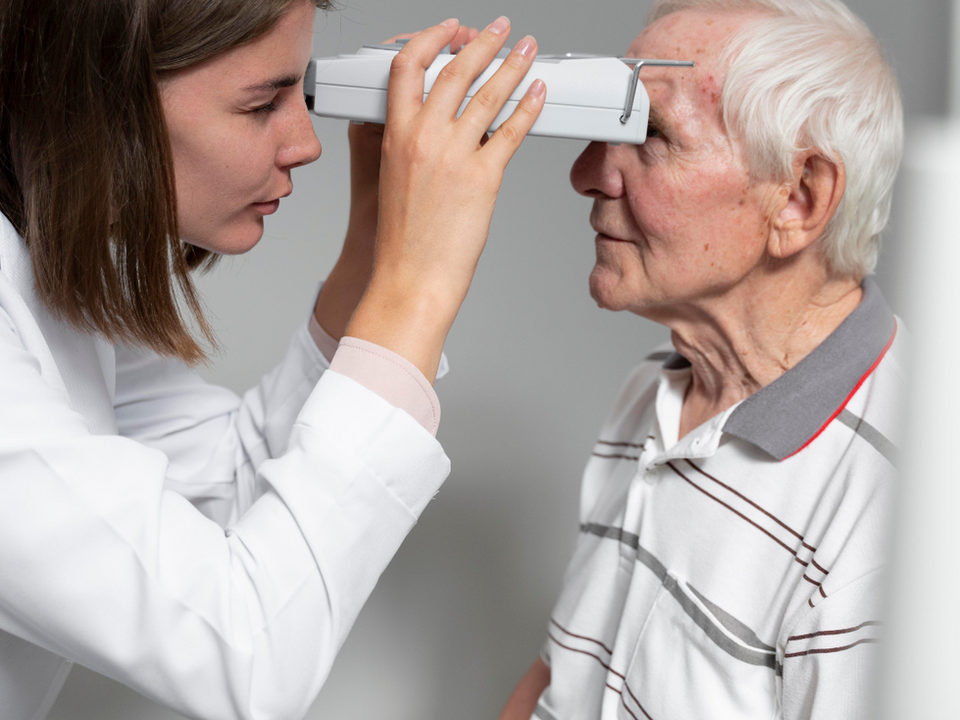
Stargardt disease is the most common inherited condition affecting the macula. It usually begins in childhood or the teenage years and slowly reduces central vision. Fundus flavimaculatus is a related form.
Other inherited macular dystrophies include Best disease (vitelliform macular dystrophy) and other hereditary macular degenerations. Side vision usually stays.
Symptoms to watch for
Symptoms can differ from person to person. Some people notice nothing in the early stages.
Central vision loss
Slow difficulty reading and seeing detail.
Central blind spot
A blurry or dark area in the centre.
Colour changes
Colours may look less clear.
Light sensitivity
Bright light may feel uncomfortable.
Slow to adjust
Moving from bright to dark takes longer.
Causes and risk factors
- ✓Changes in genes such as ABCA4 (Stargardt)
- ✓Often inherited from both parents
- ✓Best disease can pass from one parent
- ✓Family history of macular disease
Inherited macular conditions we see
Stargardt disease
Slow loss of central vision starting at a young age.
Fundus flavimaculatus
Yellow flecks across the retina, often starting later.
Best disease
A yellow, egg-yolk-like spot at the macula that changes over years.
How it is usually treated
There is currently no standard treatment that stops these conditions for everyone. Eye specialists usually advise:
- ✓Regular monitoring
- ✓Low-vision aids and magnifiers
- ✓Protection from bright light and UV
- ✓Avoiding vitamin A supplements unless advised (Stargardt)
- ✓Genetic counselling for the family
Ayurvedic care at Sanjeevan Netralaya is complementary. It is given alongside the care from your eye specialist, not instead of it.
Stargardt disease treatment at Sanjeevan Netralaya
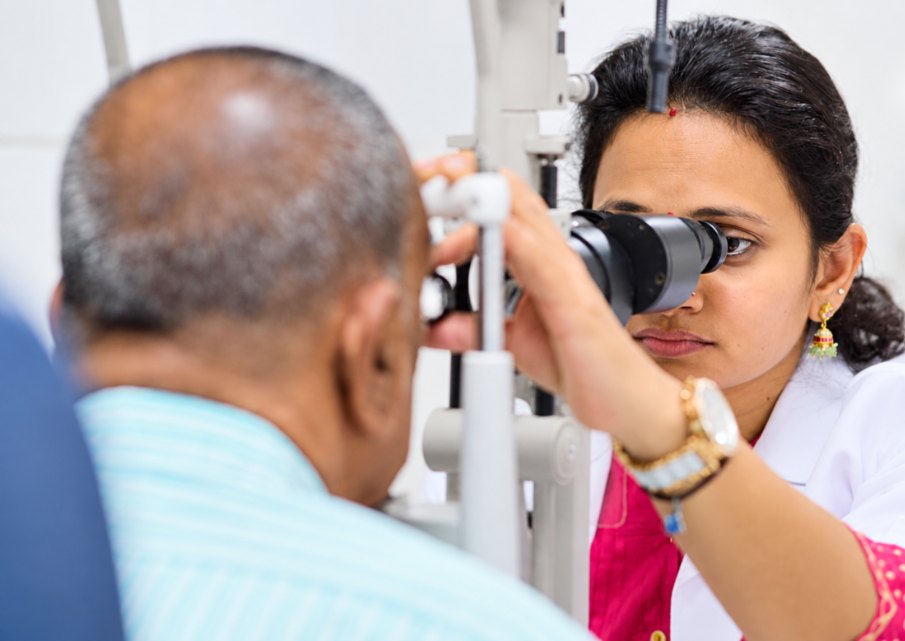
At Sanjeevan Netralaya, care is non-surgical and planned for each patient. Our Ayurvedic approach aims to support circulation to the retina and optic nerve and to reduce inflammation. It may help in suitable cases, and it is given alongside your current treatment.
Full-history review
Our doctors study your reports, scans, prescriptions and current treatment.
Personalised plan
If suitable, a plan of Ayurvedic medicines and Signature Treatment Sessions, curated for you.
Diet and lifestyle
Guidance on diet, daily routine and overall health.
Regular follow-ups
Reviews to monitor your eyes and guide your next steps.
⚠Do not stop or change any prescribed medicine, drop or injection without your treating doctor.
Frequently asked questions
Is Stargardt disease inherited?
Yes. It is usually passed on when both parents carry the gene change. Other family members may benefit from an eye check.
Can children be seen at Sanjeevan Netralaya?
Please call our helpline. Our team will guide you on the consultation and the reports to bring.
What should I bring to my first visit?
OCT scans, retina photos, ERG reports and genetic test results if available.
Related conditions
This page is for awareness only and does not replace an eye examination. Please continue your current treatment and medicines. Individual results vary. Consult our doctors for a personalized assessment.
Book an appointment
Tell us what concerns you about your vision. Leave your number and our team will call you back. We take calls 7 days a week.
Central helpline+91 98451 81288